
Product Category Search
Best childrens learning disorders books, ranked
-
 Best comprehensive guide Jessica Kingsley Publishers
The Complete Guide to Asperger's Syndrome by Tony Attwood
A definitive resource on Asperger's syndrome, offering deep insights into diagnosis, education, and support for children and adults.
- Highly detailed
- Research-backed
- Empathetic tone
- Dense for casual readers
- Focuses on Asperger's specifically
-
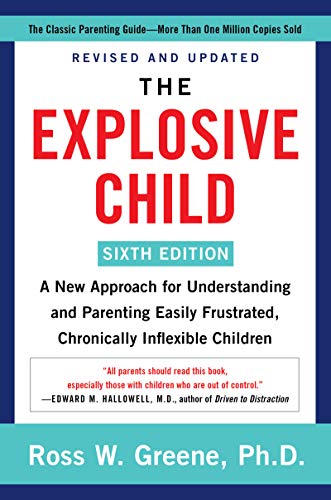 Best for behavioral challenges Harper Paperbacks
The Explosive Child by Ross W. Greene
A collaborative problem-solving approach for children with learning disorders and behavioral outbursts, emphasizing empathy and understanding.
- Practical strategies
- Parent-friendly
- Evidence-based
- Requires consistent application
- May not suit all temperaments
-
 Best for dyslexia Vintage
Overcoming Dyslexia by Sally Shaywitz
A comprehensive guide to understanding and managing dyslexia, from early identification to effective teaching strategies.
- Authoritative
- Clear explanations
- Actionable tips
- Focuses only on dyslexia
- Somewhat lengthy
-
Best for language disorders
Helping Your Child with Language-Based Learning Disabilities by Linda Daniel
Focuses on language-based learning disabilities like dyslexia, auditory processing disorder, and speech delays, with practical exercises.
- Practical exercises
- Easy to read
- Supportive approach
- Some exercises require parent involvement
- Narrow focus
-
 Best for executive function The Guilford Press
Smart but Scattered by Peg Dawson
A guide to helping children with weak executive skills such as organization, time management, and impulse control.
- Clear strategies
- Age-appropriate tips
- Easy to implement
- Less depth for severe cases
- Focuses on executive function only
-
 Best for strengths-based approach Plume
The Dyslexic Advantage by Brock Eide
Focuses on the strengths of dyslexic thinking, such as creativity and problem-solving, and how to nurture them in children.
- Positive perspective
- Motivational
- Well-researched
- May downplay challenges
- Less practical advice
-
 Best for sensory processing Tarcher
The Out-of-Sync Child by Carol Stock Kranowitz
Explores sensory processing disorder and offers activities to help children with sensory integration challenges.
- Accessible language
- Practical activities
- Empathetic
- Focuses only on sensory issues
- Some activities need supervision
-
 Best for ADHD management Routledge
Helping Children with ADHD by James W. Forgan
A practical guide for parents and teachers on managing ADHD through behavior strategies, structure, and medication considerations.
- Practical advice
- School-focused
- Evidence-based
- May not cover all severities
- Some strategies require consistency
You Might Also Like
- immune systems books
- sexual health recovery books
- aids books
- energy healing books
- thyroid conditions books
- popular psychology psychopharmacology books
- lung and respiratory diseases books
- down syndrome books
- obsessive compulsive disorder books
- health, mind and body reference books
- popular psychology pathologies books
- osteoporosis books
- weight watchers diet books
- popular psychology of sexuality books
- pregnancy and childbirth books