
Product Category Search
Best chinese teas, ranked
-
 Best overall FullChea
Longjing (Dragon Well) Tea
Pan-roasted green tea from Hangzhou, known for its flat leaves, chestnut aroma, and smooth, sweet taste. Highly prized for its quality and history.
- Distinctive nutty flavor
- Smooth and sweet aftertaste
- High-quality, hand-picked leaves
- Expensive for premium grades
- Requires careful storage
-
Luxury pick
Da Hong Pao (Big Red Robe) Oolong
Rock oolong from Wuyi Mountains, known for its complex mineral notes and lasting aroma. Authentic versions are rare and expensive.
- Complex, layered flavor
- Aromatic and long-lasting finish
- Highly collectible
- Fakes are common
- Very expensive for authentic grades
-
 Best value NASLAPH
Tie Guan Yin (Iron Goddess) Oolong
Semi-oxidized oolong from Anxi, with orchid aroma and a creamy, smooth taste. Versatile for multiple infusions.
- Floral and creamy taste
- Good value for quality
- Can be steeped multiple times
- Quality varies widely
- Modern styles can be too green
-
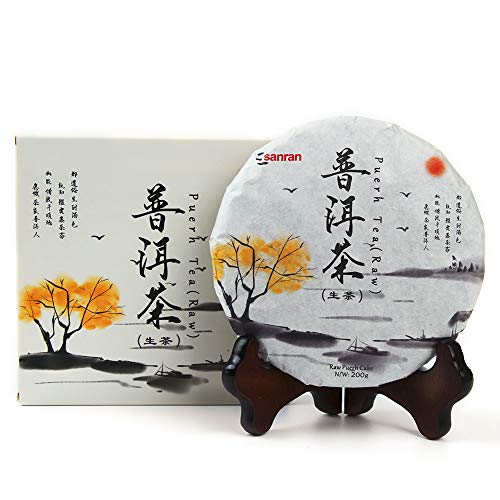 Best for aging SANRAN
Pu-erh (Aged Raw) Tea
Fermented tea from Yunnan, known for earthy, smooth flavors that improve with age. Often pressed into cakes or bricks.
- Earthy, rich flavor
- Ages well over years
- Unique fermentation process
- Acquired taste
- Storage conditions critical for aging
-
 Aromatic tea FGO
Jasmine Green Tea (Jasmine Pearls)
Green tea scented with jasmine blossoms, hand-rolled into pearls. Offers a fragrant, sweet, and gentle flavor.
- Delicate jasmine fragrance
- Smooth and not bitter
- Beautiful pearl shape
- Scenting process may be artificial in cheap versions
- Flavor fades with age
-
 Best black tea ChaWuWarmSun
Keemun (Qimen) Red Tea
Famous black tea from Anhui, with a winey, fruity character and floral notes. Often used in English breakfast blends.
- Rich, winey flavor
- Aromatic and smooth
- Classic Chinese black tea
- Lower grades can be astringent
- Not as well-known as Indian teas
-
 Gentle tea Silk Road Teas
White Peony (Bai Mu Dan) White Tea
White tea from Fujian, made from young leaves and buds. Light, floral, with a subtle sweetness and low caffeine.
- Subtle, floral flavor
- Low caffeine
- Refreshing and light
- Flavor may be too subtle for some
- Easily overbrewed
-
 Traditional green tea GOARTEA
Yellow Mountain Maofeng Green Tea
Green tea from Anhui with a distinct appearance of single leaves with one bud. Light, sweet, and refreshing.
- Light and sweet taste
- Beautiful leaf appearance
- Traditional processing
- Delicate and can be bitter if oversteeped
- Premium grades are pricey
You Might Also Like
- chinese literature books
- chinese history books
- chinese chefs knives and cleavers
- chinese star anise
- chinese poetry books
- chinese candy
- chinese literary criticism books
- chinese vegetable knives
- chinese medicine books
- chinese cooking, food and wine books
- chinese music
- chinese beer
- childrens chinese language books
- chinese language instruction books
- chinese five spice