
Product Category Search
Best economic conditions books, ranked
-
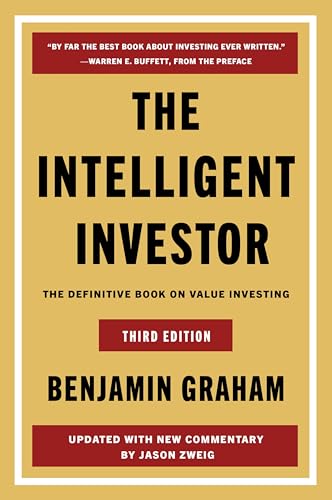 Best classic value investing guide Business
The Intelligent Investor
Benjamin Graham's timeless principles on value investing and defensive strategies.
- Timeless value investing principles
- Comprehensive and insightful
- Highly respected by experts
- Dense for beginners
- Some examples dated
-
 Best for passive investing Wiley
The Little Book of Common Sense Investing
John Bogle's case for low-cost index fund investing, based on decades of data.
- Simple and actionable
- Strong evidence-based arguments
- Promotes low-cost investing
- Repetitive in parts
- Focused only on index funds
-
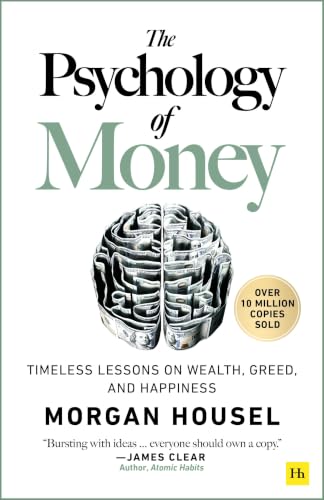 Best for behavioral finance Harriman House
The Psychology of Money
Morgan Housel explores how emotions and biases affect financial decisions.
- Engaging and easy to read
- Insightful behavioral lessons
- Relatable anecdotes
- Not a step-by-step guide
- Light on technical details
-
 Best for financial mindset Plata Publishing
Rich Dad Poor Dad
Robert Kiyosaki contrasts two fathers' approaches to money and investing.
- Inspiring and motivational
- Challenges conventional thinking
- Easy to understand
- Some advice controversial
- Lacks concrete strategies
-
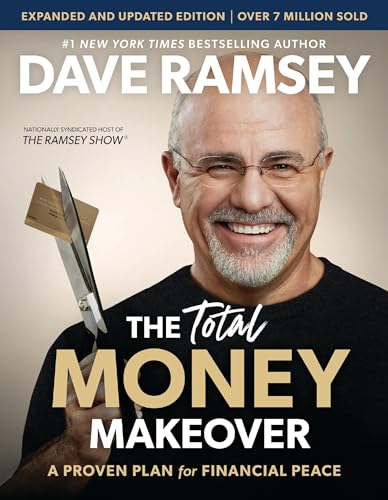 Best for debt elimination Thomas Nelson
The Total Money Makeover
Dave Ramsey's step-by-step plan for getting out of debt and building wealth.
- Clear actionable steps
- Motivational and practical
- Focuses on debt freedom
- Very prescriptive
- Not for everyone's risk tolerance
-
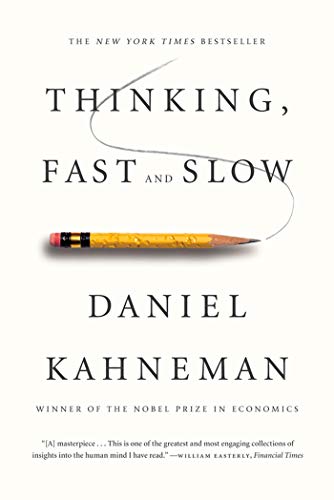 Best for decision-making insights Farrar, Straus and Giroux
Thinking, Fast and Slow
Daniel Kahneman's research on how cognitive biases affect economic choices.
- Deep insights into biases
- Well-researched and authoritative
- Improves decision-making
- Dense and lengthy
- Not a financial how-to
-
 Best for efficient market theory W. W. Norton & Company
A Random Walk Down Wall Street
Burton Malkiel advocates for buy-and-hold index investing with historical evidence.
- Comprehensive market overview
- Supports index investing
- Well-written and updated
- May feel repetitive
- Skeptical of active investing
-
 Best for frugal wealth building Globe Pequot Press
The Millionaire Next Door
Thomas Stanley reveals common traits of wealthy Americans who live below their means.
- Eye-opening wealth patterns
- Encourages frugality
- Data-driven insights
- Some advice dated
- May not apply to all incomes
-
 Best for financial independence Penguin
Your Money or Your Life
Vicki Robin's program to transform your relationship with money and achieve FI.
- Holistic financial well-being
- Step-by-step transformation
- Focus on life energy
- Some concepts abstract
- Requires discipline
-
 Best for financial independence beginners Authors Equity
The Simple Path to Wealth
JL Collins' straightforward guide to investing in index funds for financial freedom.
- Easy-to-follow advice
- Focus on Vanguard funds
- Practical and motivational
- Limited advanced topics
- Very US-centric
Similar Searches
- government management books
- urban and regional economics books
- strategic business planning books
- customer relations books
- construction industry books
- vocational guidance books
- macroeconomics books
- mortgages books
- wealth management books
- job resumes books
- environmental economics books
- business ethics books
- product management books
- information management books
- oil and energy industry books